

Performers

Location

About
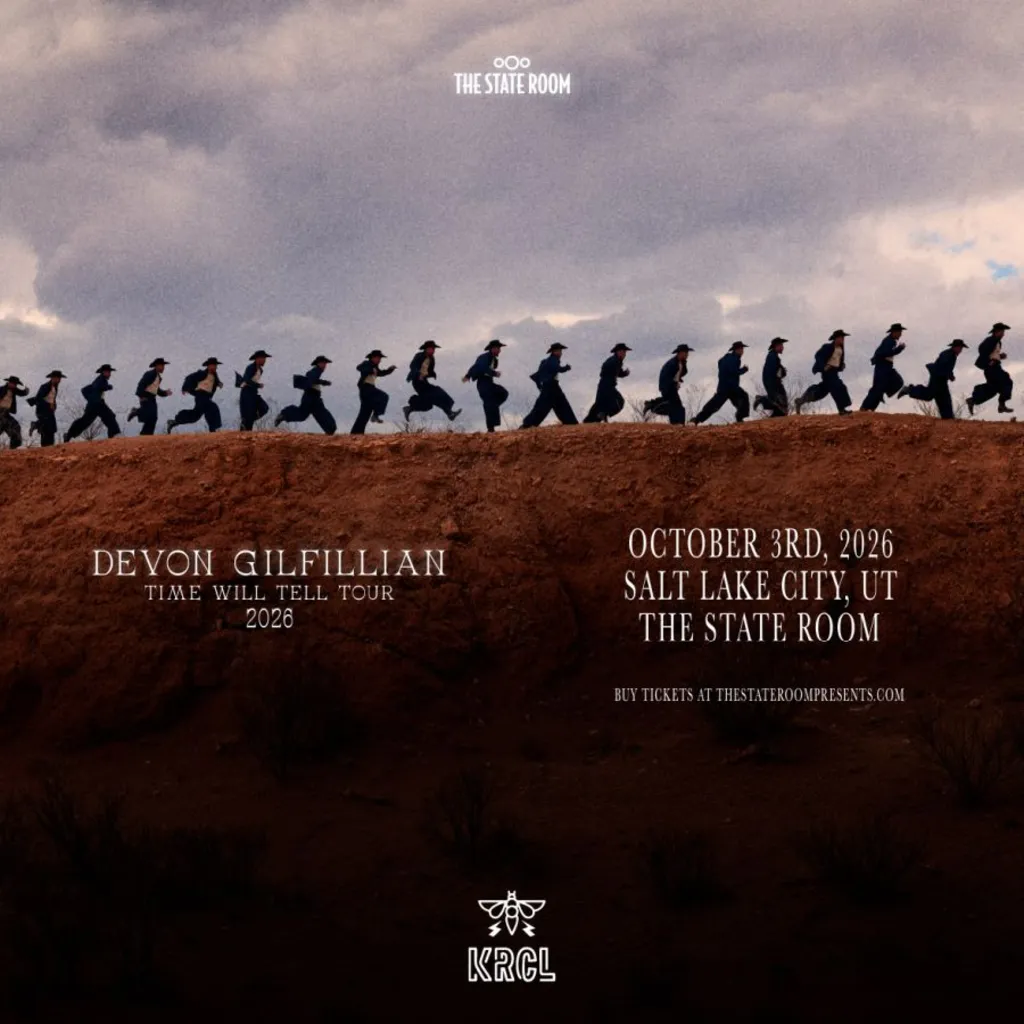
Time Will Tell is the album Devon Gilfillian has been preparing to make his entire life. It’s a record shaped by major life changes: confronting his family’s mortality, enduring a relationship that nearly broke him, and taking control of how he makes records. Here’s how they did just that.
You should first know that Devon’s father, Nelson Gilfillian, likes to keep it clean. A father of three at the edge of 70, he hits the gym five times a week and watches what he eats. Though he raised his kids just west of Philadelphia, he now lives just east of Nashville, in the rural outskirts of Lebanon. A lifelong musician and wedding singer, Nelson plays congas in a weekly R&B and jazz jam at the Flamingo Cocktail Club.
Devon was stunned when his mom called in September 2023 to say Nelson, then 67, had suffered a heart attack. His own father had died at that age, but Nelson’s prognosis seemed better: a few stints, then home. Nelson is the reason Devon is a musician, so Devon walked onstage in Portsmouth, New Hampshire, played his show, and flew home the next morning.
In the weeks after, Gilfillian wrote “Glad to Be Here,” a bittersweet ode to existence and slowing down to appreciate being alive. That song became the country-soul centerpiece of Time Will Tell, his fourth album, which documents the work it took to reach the end of a relationship and the sense of liberation and joy he found afterward. The dozen songs share the troubled state of someone’s heart in detail and look for a way forward.
Not long after moving to Nashville a dozen years ago, Devon wrote “Home” for his mom, Ginny. It was the first song he felt comfortable sharing and marked a breakthrough: writing and singing could be therapy and an outlet for his troubles and triumphs. That sensibility carried through his earlier albums, including 2023’s Love You Anyway and his Marvin Gaye covers project in 2020.
As he tried to save a long relationship, Gilfillian found himself writing about differences that became irreconcilable. Examples from the album:
- “Moonflower”: a neo-soul song about respecting but regretting what makes someone themselves (a morning person vs. a night person).
- “Black Dog Rabbit Hole”: a hard-rock snapshot of mania, taking stock of depression and addiction as escape hatches.
- “Hold On (Hourglass)”: a racing, gospel-tinged track about whether holding on is self-deception.
- “IRL”: a tune where a boom-bap beat and psychedelic organ underline an argument about leaving or staying.
To capture these feelings, Gilfillian and his longtime drummer Jonathan Smalt decided to cut the songs quickly. They asked Dave Cobb if they could use Nashville’s RCA Studio A, then recruited engineers and producers Reid Leslie, Michael Harris, and Ran Jackson to help with varispeed tape machines and key decisions. They built a band of session players and strong string and horn sections, and tracked most vocals in single takes. Neal H. Pogue came on as executive producer and mixed the album himself.
It worked: the recordings aim to reflect the realness of Gilfillian’s circumstances when he wrote the songs. The album ends with “You Can Hate Me Now,” which acknowledges that endings aren’t easy and that going through the pain is part of moving on. Time Will Tell is the sound of Gilfillian suffering a little, learning, and realizing the blessing of being here at all.