Location
About
About the Navajo Rug Sale
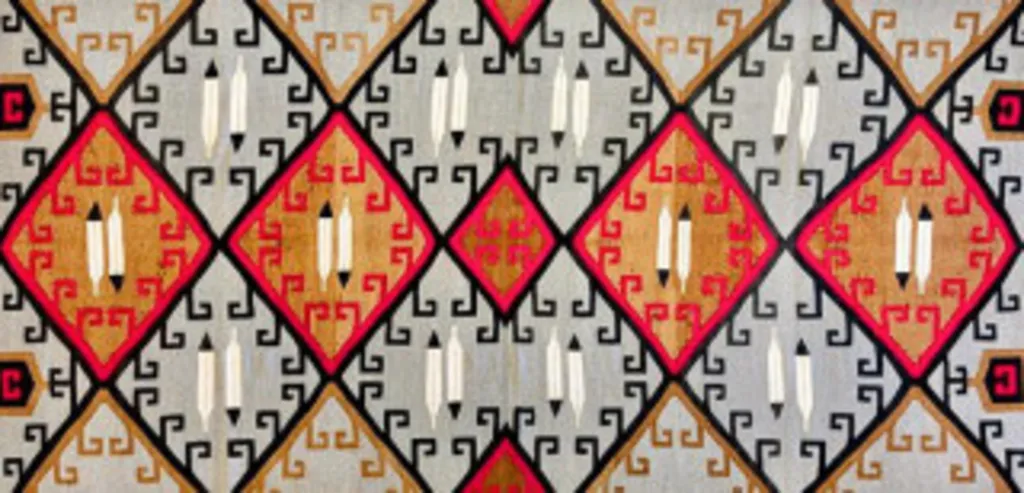
On April 11, the Natural History Museum of Utah will celebrate the Indigenous artistry of the Four Corners region with a sale of handwoven Navajo rugs. Featuring more than 100 works by Diné weavers—ranging from intimate pieces to grand designs—this event offers guests the opportunity to acquire museum-quality textiles at up to 40 percent off retail prices.
Complementing the rug sale will be a curated trunk show of handcrafted Native American jewelry available below retail value. Visitors are invited to bring their own Navajo rugs for expert evaluation and restoration consultations by Ben Leroux of Southwest Textiles from 10 a.m. to noon. The sale continues until 5 p.m.
Museum admission is not required to attend the Navajo Rug Sale.
This is the Museum’s 11th collaborative Navajo Rug Sale with Toh-Atin Gallery of Durango, Colorado—a long-running partnership established by the gallery’s late owner, Jackson Clark, and now carried forward by his sister Antonia Clark.
About Toh-Atin Gallery
Toh-Atin Gallery in Durango is one of the most respected Native American art galleries in the country. The late owner, H. Jackson Clark II, grew up traveling the Navajo reservation in the Four Corners region, visiting trading posts with his father, and developing an admiration for Navajo weavers and their work. His mother was raised at a trading post where Jackson and his sister would spend summers from a young age, learning about local Indigenous culture and building a lifetime of experience that resulted in the celebrated Toh-Atin Gallery. Toh-Atin is now managed by Antonia Clark, who continues the family legacy and the long-standing partnership with NHMU.
Museum note
At the turn of the 20th century, Navajo weaving remained a thriving household practice but was being economically undercut as a trade good by the influx of Pendleton blankets and factory-produced clothing. In the early 20th century, traders established economic relationships with Navajo women and their families and shaped regionally specific designs and new markets for their weaving. It’s a story of mutual respect and partnership that is unique in the history of the Southwest.